

When I'm with a group of people, a common question I get is:
"Do you have to read a lot at Epigram?"
My answer is usually: yes, and also no.
There are seasons when we read a lot. That's when submissions close for the Epigram Books Fiction Prize in August. Manuscripts start coming in, and the reading begins.
But before I get into that, there's another question people sometimes ask:
"If you enjoy reading, but you have to do it for work, do you still enjoy reading?"
Yes, I enjoy reading. And yes, I do it for work. But when I'm reading a manuscript for work, I often find myself thinking about the effort it took for the author to write it.
Someone might have put their kids to bed and then stayed up late writing. Someone might have spent weekends in coffee shops, or carved out small pockets of time after housework, family duties, or a full workday — just to work on something of their own.
When I'm reading a manuscript, I often think about the author at their desk, wondering whether a paragraph should stay or go, whether the story is ready to be submitted. Someone has spent a long time crafting something — whether I personally like it or not — and the least I can do is attempt to read it with care.
So yes — we do read quite a lot here.
When the EBFP submissions close, all of us in the office will start with about five manuscripts each (there were 50 to read last year!). Editors read almost 10–15, and sometimes even more. Even our designers read. Some read five, some go up to ten, and that's within the span of a month! Every year, I'm quite impressed by how quickly some of us can read and distil a manuscript into a few clear thoughts.
But that said, as the marketing person, there have also been years where I've only managed to read two… or even just one manuscript. Those years have been busy!
From a certain intern:
But why do we have to read so much when we have volunteer readers helping us assess the manuscripts?
The answer is simple: we don't want to miss a thing. (Cue Aerosmith)
Reading is subjective. Sometimes a manuscript might receive quite low scores from readers. Still, someone in the office feels there is something there — perhaps the story is quintessentially Singaporean, the voice is interesting, or the idea could be lifted and developed further.
Right before we pass the manuscripts on to our panel of judges, we dig into the ones with the lowest scores and attempt them again.
If you've ever sent in a manuscript to us, you can be sure that it has been read by several people in the office and by external readers as well. We try to be quite thorough.
But this is the only system I know.
Maybe somewhere out there, there is a perfect beeline of readers doing this even more efficiently.
But for now, this is the only way we know how to make sure a story gets its chance.
If you're looking for something to keep young readers occupied during the break, these are three books many kids begin with.
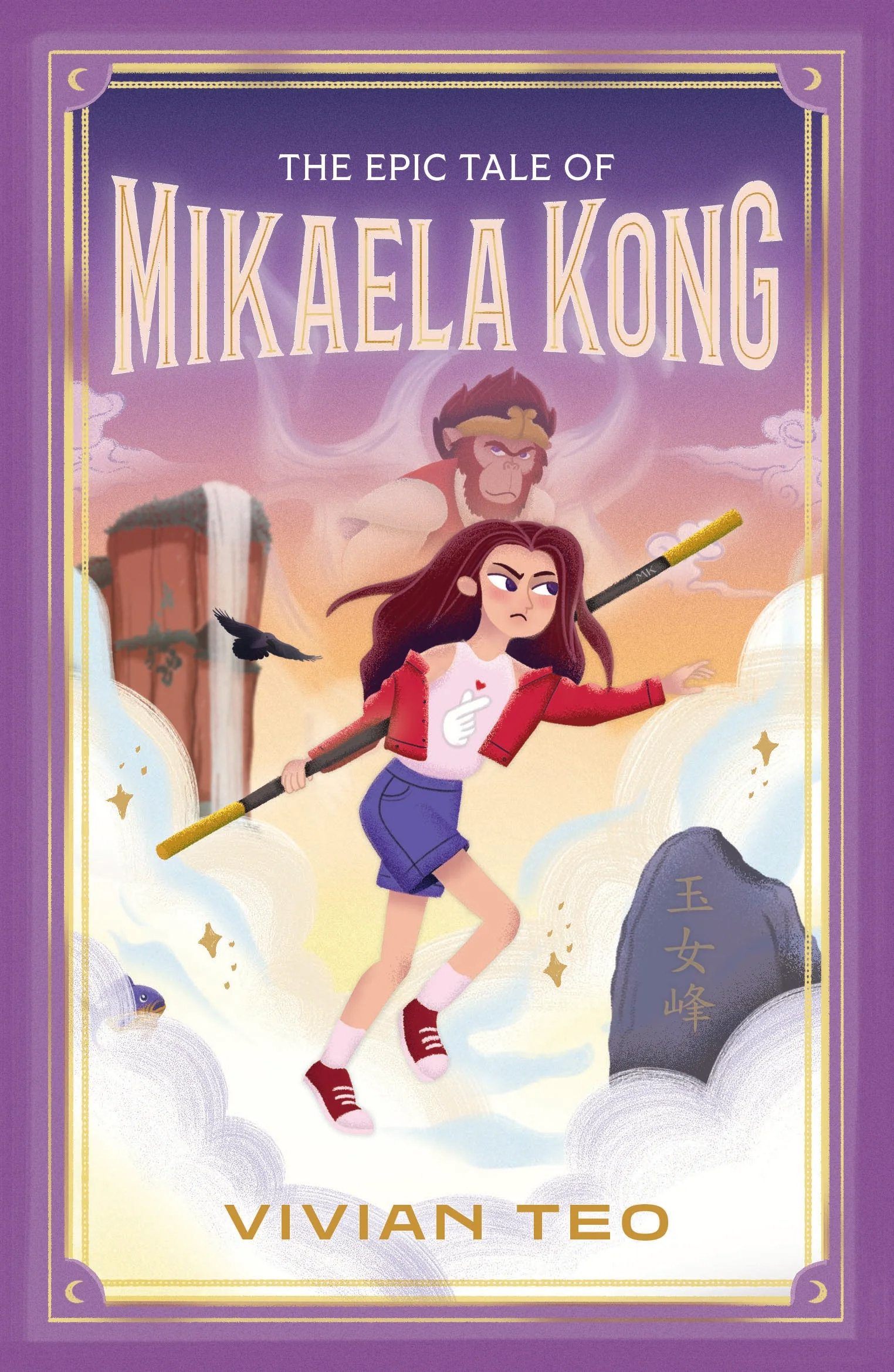 |
The Epic Tale of Mikaela Kong (Book 1) A wildly funny adventure about a girl who wakes up one day with the powers of the Monkey King — and must figure out how to use them without causing absolute chaos. Start your adventure |
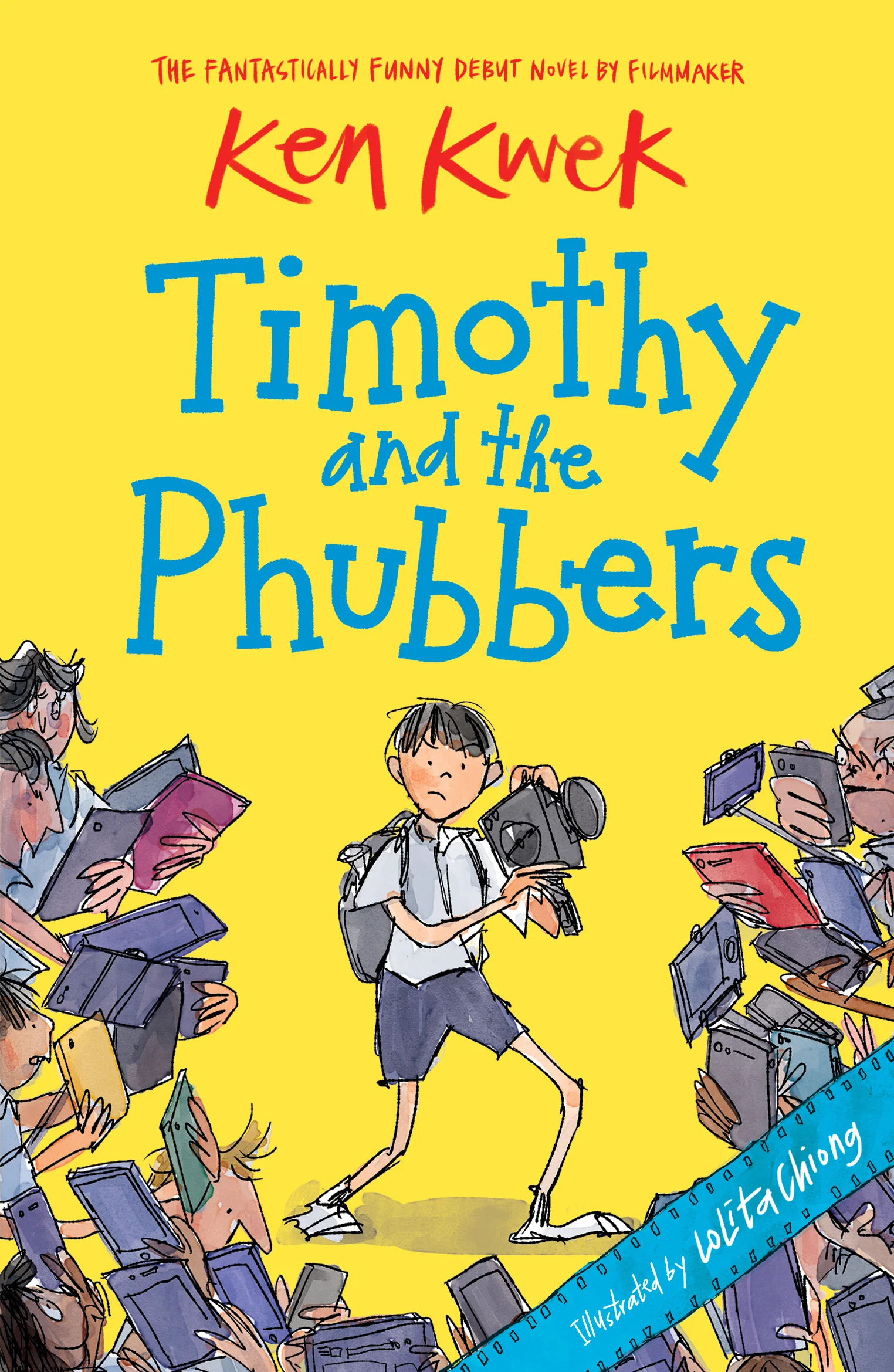 |
Timothy and the Phubbers Timothy realises the adults around him are completely glued to their phones — so he sets out on a mission to stop the growing epidemic of "phubbing". A witty story about screens, attention, and one boy's determination to get the world looking up again. Meet the Phubbers |
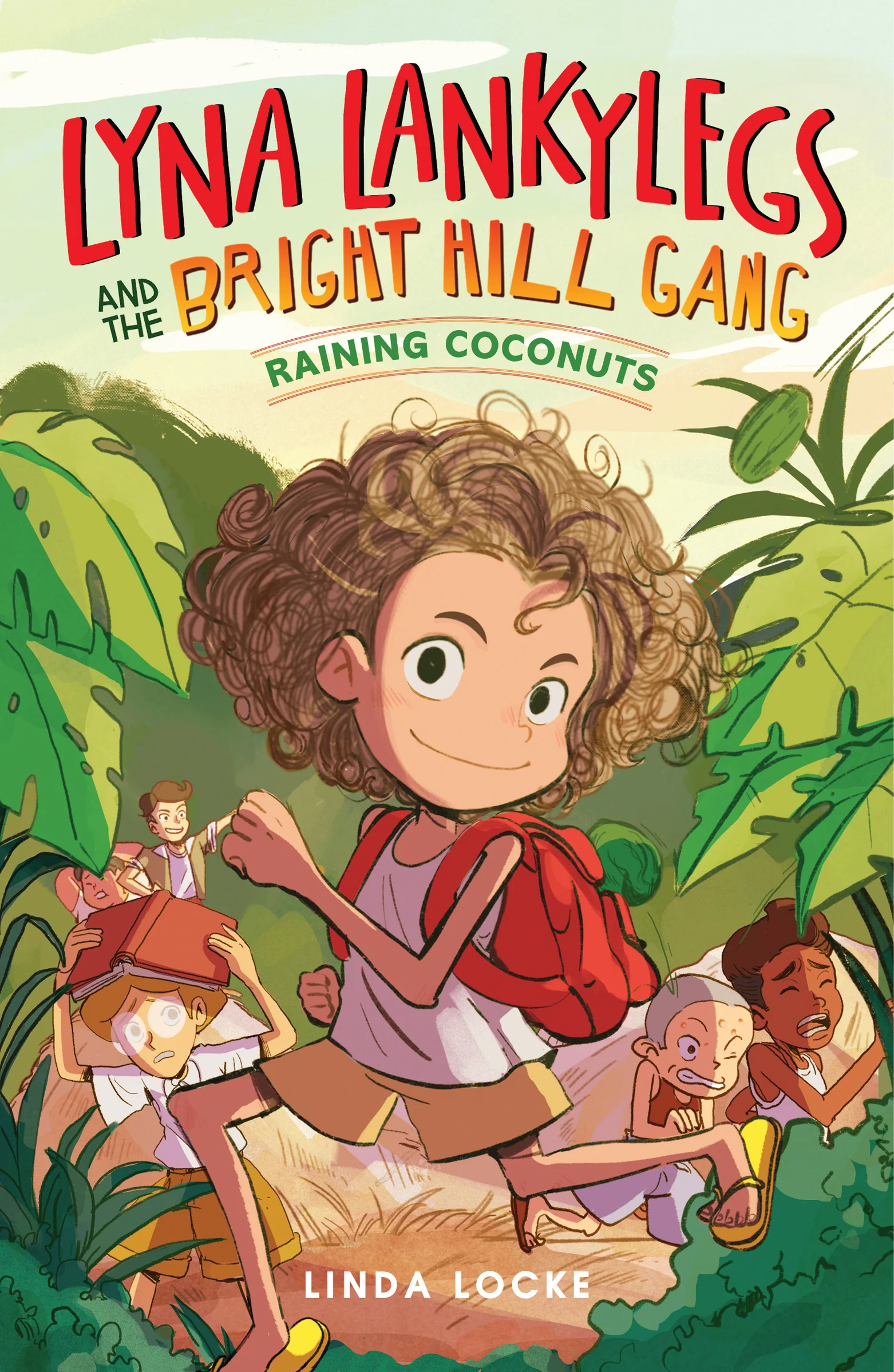 |
Lyna Lankylegs and the Bright Hill Gang: Raining Coconuts Follow Lyna and her gang of friends through the kampongs of 1950s Singapore — climbing trees, chasing adventures, and getting into all sorts of trouble. Join the Bright Hill Gang |
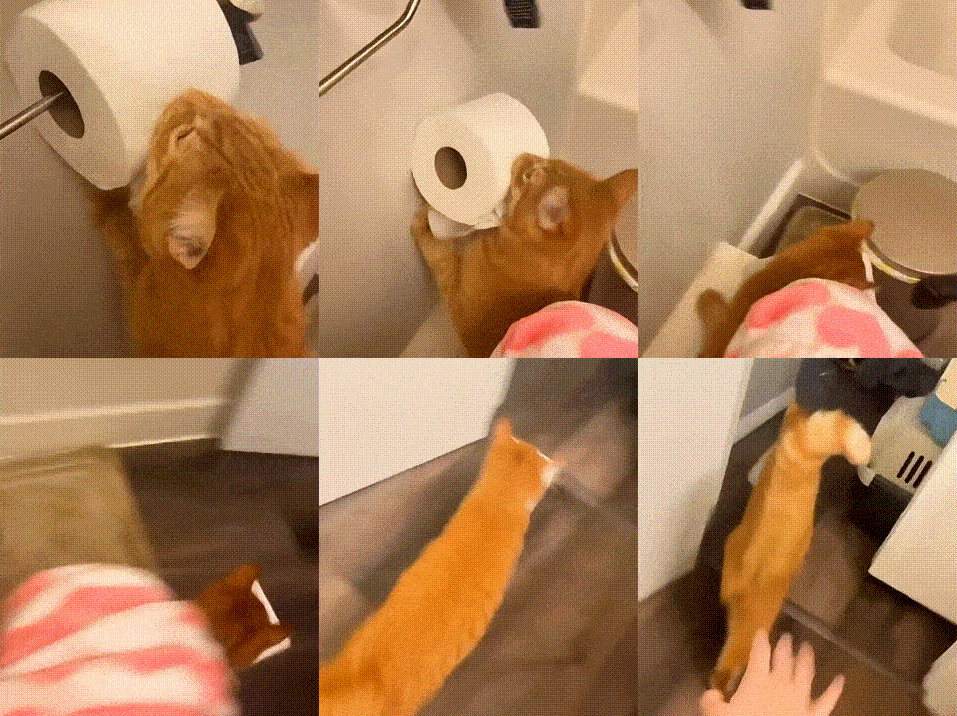
Thanks for reading all the way here this week. Here's your GIF:
Warmly,
Chloe
Leave a comment